INDUSTRY APPLICATIONS · AIRFRAME RESCUE
Drone search and rescue: how drones help find people and animals
By Ben Price, Managing Director, Airframe Drone Services
Drones help search and rescue by giving a search team height, speed and, with a thermal camera, the ability to pick out body heat against cooler ground, often at night. If a person goes missing in the UK, contact the police; you do not have to wait 24 hours. Specialist drone operators such as Airframe search for lost dogs, livestock and wildlife.

A drone can cover ground in minutes that would take people on foot far longer, and a thermal camera can show what the eye cannot see in the dark. That is why drones are now a familiar part of many searches.
This guide explains what a drone actually adds to a search, the limits of the technology, who leads a search for a missing person, and how drone searches help when an animal is missing.
What a drone adds to a search
The first advantage is height. From above, a drone can look across open fields, along hedgerows and woodland edges, and into places a ground team cannot easily reach, such as steep banks, marsh, water margins and dense undergrowth from the outside.
The second is speed. A drone can sweep a planned area quickly and repeatedly, and it can be moved to a new area as information comes in. The third is a shared picture: live video lets the people on the ground see what the camera sees and go straight to it.
How thermal imaging helps
A thermal camera detects heat rather than light. A person or an animal is usually warmer than the ground around them, so they show up as a bright shape on the thermal image even when they are hard to see with the eye.
Thermal imaging is most effective at night and in the cooler hours before dawn, when the contrast between a warm body and its surroundings is greatest. On a hot day, sun-warmed ground, rocks and roofs can hide that contrast.
The limits of a drone search
A drone is a tool, not a guarantee. Dense tree canopy can block the view from above, and a thermal camera cannot see through solid objects or water. Rain, strong wind and low cloud can stop a flight altogether.
Drones also have to fly within the rules and the airspace restrictions around airports and other protected areas. A good operator plans the search around those limits and is honest about what the drone can and cannot cover, so the ground search is planned to fill the gaps.
If a person is missing, contact the police
If someone goes missing and you are still concerned after contacting anyone who may know where they are, contact your local police. You do not have to wait 24 hours before doing so. The police record the person as missing and decide what happens next, including how any search is run.
Airframe's search work is for animals. Our role is to support situations where the animal itself does not present a public safety threat and where the police or other emergency services are not already the lead agency.

Drone searches for lost animals
When a dog slips its lead on a walk, livestock escape from a field or injured wildlife needs to be located, a thermal drone search can cover the area far faster than people on foot. The owner usually knows the last sighting and the animal's habits, so the search is planned around that information.
During the search, the drone sweeps the most likely areas first, and live video guides the owner or ground team towards anything the thermal camera picks up. Night searches are often the most productive, because the animal stands out clearly against the cooler ground.
Some situations are not for a drone operator. Where an escaped animal is a direct risk to public safety, that is a matter for the emergency services.
What happens on the day of an animal search
A drone search starts with a short conversation: where and when the animal was last seen, what it is like, how it tends to behave and what has already been searched. From that, the search area is divided into sections and the most likely areas are flown first.
On site, the pilot checks the airspace and weather, agrees a safe take-off point and briefs the owner and anyone helping on the ground. The drone then sweeps each section in turn, with the thermal and visual cameras running. When the camera picks up a heat source that could be the animal, the pilot holds position and guides someone on the ground towards it.
If the first sweep finds nothing, the plan is adjusted: new sightings are added, the search moves to the next most likely area, or a return visit is planned for a cooler time of day when thermal contrast is better.
What helps a drone search succeed
- Step 1: The last known location and the time the animal was last seen.
- Step 2: A description: species, size, colour and anything distinctive.
- Step 3: The terrain and access: fields, woodland, water, roads and gates.
- Step 4: What has already been searched, and by whom.
- Step 5: A contact on site who knows the area and the animal.
Airframe Drone Services is a CAA Registered Drone Operator based in Basingstoke. Our animal and wildlife search service flies thermal drone searches for lost dogs, livestock and wildlife, day or night, across our core zone of about 50 miles, and we work alongside the owner and any ground search team. You can also read about coordinating thermal drone searches with ground teams.
TALK TO AIRFRAME
Discuss your project with Airframe.
RELATED INSIGHTS
Keep reading
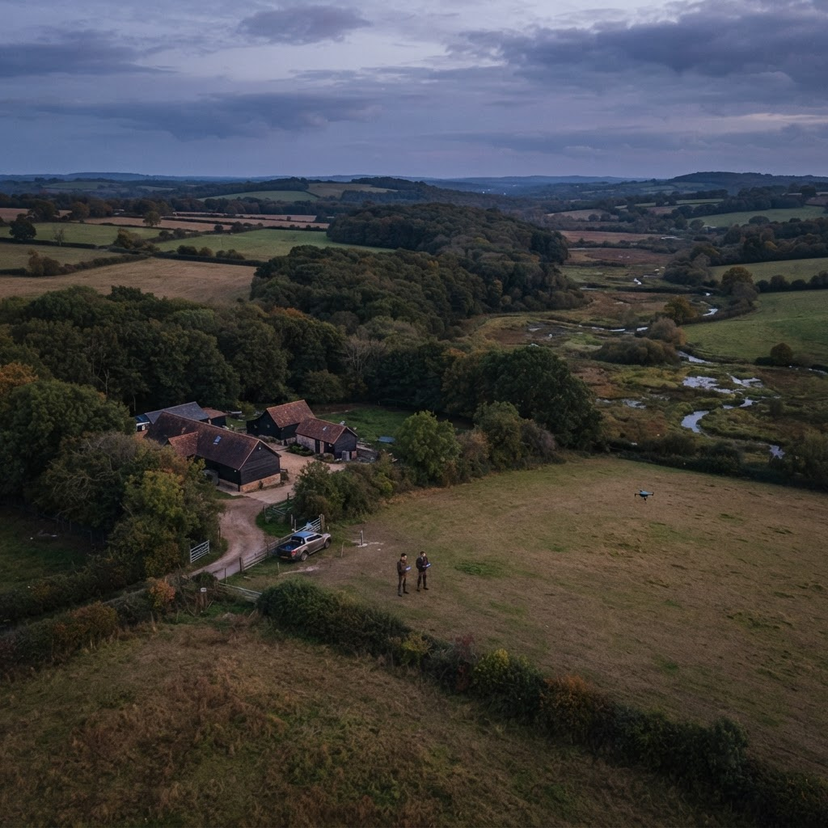
INDUSTRY APPLICATIONS · RESCUE
Thermal Drone Imaging for Wildlife Sanctuary Management
Thermal drone imaging helps wildlife sanctuaries monitor animal populations and manage large land areas by providing aerial data.
15 Nov 2026 · 5 min readRead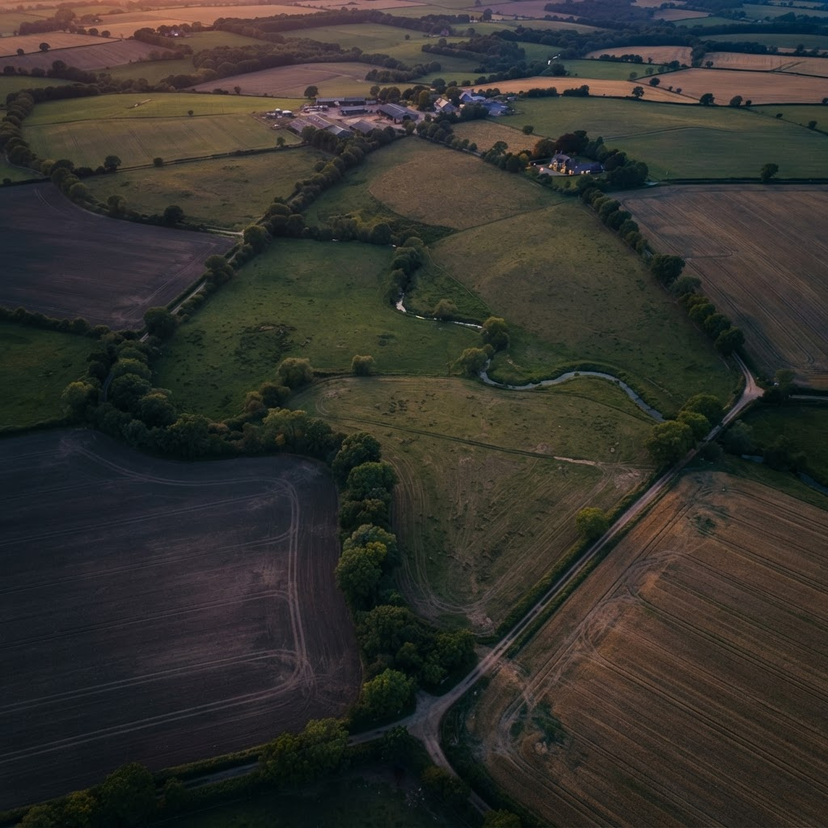
OUR SERVICES · RESCUE
Coordinating Drone Search for Missing Animals with Ground Recovery Teams
Maximise the search area coverage for missing livestock or pets by combining thermal drone aerial intelligence with ground-based recovery teams.
13 Nov 2026 · 11 min readRead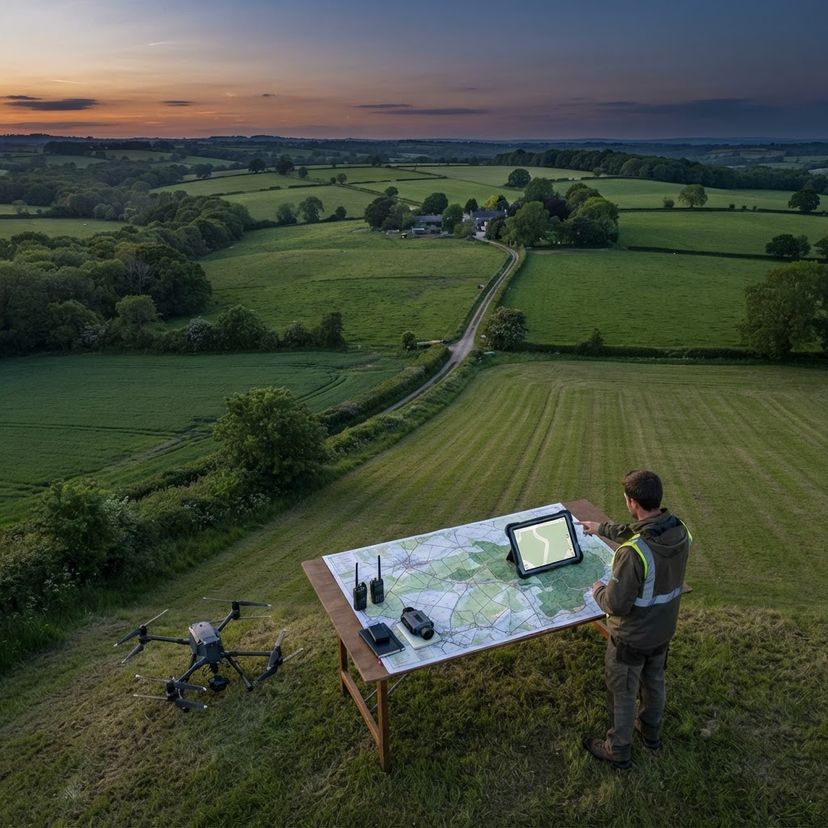
GUIDES & KNOWLEDGE · RESCUE
How Thermal Drones Detect Animals in Dense Vegetation
Thermal imaging drones provide a specialist aerial solution for locating missing livestock, pets and wildlife. By detecting body heat instead of visible light, this technology allows operators to search effectively in low light and dense environments where ground-level methods struggle.
9 Nov 2026 · 5 min readRead