GUIDES & KNOWLEDGE · AIRFRAME RENTAL
What does a commercial drone pilot do? A guide for UK businesses
By Ben Price, Managing Director, Airframe Drone Services
A commercial drone pilot, called a remote pilot in UK rules, plans and flies drone work for a business: checking airspace and permissions, assessing the site, flying the planned capture and handing over the data. In the UK the pilot needs a CAA Flyer ID and any higher competence the flight requires, and flies under an operator who is responsible for the drone.

Search for a drone pilot and you will find everything from hobby flyers to enterprise operators. For a business, the question is simpler: who can fly the work you need safely, legally and to a standard you can use?
This guide explains what a commercial drone pilot actually does, the registrations and competence involved under CAA rules, how the pilot fits with the drone operator, and the practical ways to bring a pilot onto your project.
What a commercial drone pilot does
Most of a commercial pilot's work happens before and after the flight. Before the day, the pilot checks the airspace and any restrictions, confirms permission to fly from the landowner or site, and completes a site-specific risk assessment. The flight plan is built around what the client needs to see or measure.
On site, the pilot runs pre-flight checks, briefs anyone affected, flies the planned capture and adapts to the weather and the site. Afterwards the flight is logged, and the images or data are checked, organised and delivered in the agreed format.
A typical commercial job, step by step
Take a roof inspection on a warehouse. The job starts with a brief: which roofs, what the client needs to see, and who will use the images. The pilot then checks the airspace around the site, confirms permission to fly with the site owner, and plans where to take off and land away from people and vehicles.
On the day, the pilot walks the site, checks the weather against the aircraft's limits, sets up the take-off area and briefs the site contact. The flight follows the planned pattern, with extra passes over anything the client flagged. If conditions change, the pilot pauses or stops rather than pressing on.
Back at base, the images are checked for coverage and quality, organised by area and delivered with a short record of what was captured. The client's surveyor or contractor then works from the imagery to make their assessment.
Registrations and competence under CAA rules
UK rules call the person at the controls the remote pilot. Anyone flying a drone of 100g or more needs a CAA Flyer ID, which shows they have passed the CAA's online theory test. Some Open category flights close to people need the A2 Certificate of Competency as well.
When an operation cannot stay within the Open category limits, it moves into the Specific category. The CAA then issues an Operational Authorisation to the operator, and the remote pilot needs the competence it sets, such as the General Visual Line of Sight Certificate (GVC).
For a client, the practical point is that the competence needed depends on the job. A simple flight over an open site may sit comfortably in the Open category, while work close to people or buildings may need higher competence or an authorised operation. A good pilot will tell you which applies before quoting, rather than after.
Pilot and operator: two roles
The pilot flies the drone, but the operator is responsible for it: registering for an Operator ID, setting procedures, keeping the aircraft maintained and insured, and holding any Operational Authorisation. A pilot always flies under an operator's procedures and limits.
For a hobbyist the two are usually the same person. In a commercial business they are often different. Our guide to what a UAS operator is explains the split in more detail.

Ways to bring a drone pilot onto your work
Few businesses need to employ a pilot or buy aircraft. The common routes are crewed hire, where a pilot and aircraft come together for a single job or a set period, and a managed programme, where an operator runs recurring work across one site or many under one agreement.
Training your own staff can make sense if drone capture is part of daily work, for example on a large estate or a long construction programme. It brings its own responsibilities: registering as an operator, training and testing pilots, buying and maintaining aircraft, arranging insurance, writing procedures and keeping flight records.
For occasional or specialist work, hiring is usually simpler. You get a pilot who flies that kind of job regularly, the right aircraft for the task and the planning done for you, without the fixed cost of running your own drone operation.
What to check before you hire a drone pilot
Whoever you hire, a few questions protect you and your site. Ask for answers in writing, and expect a professional pilot or operator to be comfortable sharing them before you book.
- Step 1: Registration: the operator holds an Operator ID and the pilot holds a Flyer ID.
- Step 2: Competence: the pilot holds what the flight needs, such as the A2 CofC or GVC.
- Step 3: Authorisation: the operator holds a CAA Operational Authorisation if the work is in the Specific category.
- Step 4: Insurance: commercial drone insurance is in place.
- Step 5: Planning: a site-specific risk assessment and airspace check are done before the day, and the outputs are agreed in writing.
Hiring a drone pilot from Airframe
Airframe Drone Services is a CAA Registered Drone Operator based in Basingstoke. Every drone hire includes a qualified Airframe pilot with the aircraft, and we handle the planning, permissions and risk assessment. For recurring work, our managed drone services cover pilots, aircraft and compliance under one agreement. You can also tell us about your project.
TALK TO AIRFRAME
Discuss your project with Airframe.
RELATED INSIGHTS
Keep reading
QUESTIONS ANSWERED · RENTAL
How do I define a brief for hiring a drone pilot for estate management?
Defining a clear brief for aerial support helps ensure your estate management project receives accurate data. By detailing site location, assets and intended use, you provide the foundation for a productive mission that meets regulatory standards.
13 Nov 2026 · 5 min readRead
OUR SERVICES · RENTAL
Hiring an Airframe Pilot for Your Drone Projects
Hiring a CAA-qualified Airframe pilot provides a flexible solution for organisations needing to scale their aerial capabilities. These pilots integrate into existing workflows to support site inspections, technical missions, and project-based aerial operations.
9 Nov 2026 · 4 min readRead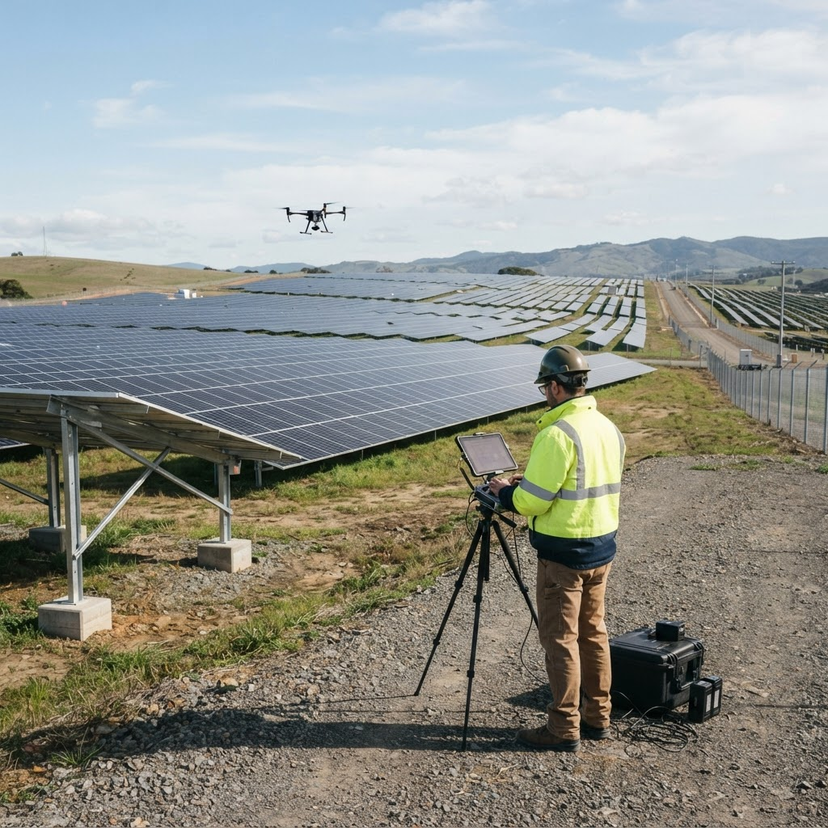
OUR SERVICES · RENTAL
Choosing a Professional Drone Service Model: Wet Hire, Leasing or Managed Services
Selecting the right engagement model for drone operations is essential for project efficiency. Airframe provides three distinct pathways, from short-term mission support to long-term managed programmes, to help clients access compliant data.
9 Nov 2026 · 4 min readRead