OUR SERVICES · AIRFRAME DIGITAL
Selecting Aerial Filming Formats for Marketing Projects
By Ben Price, Managing Director, Airframe Drone Services
Choosing an aerial filming format requires balancing brand goals with the practical capabilities of drone technology. Understanding how specific flight styles and resolution options impact the final output ensures a campaign achieves the desired visual effect while remaining technically suitable for its intended platform.
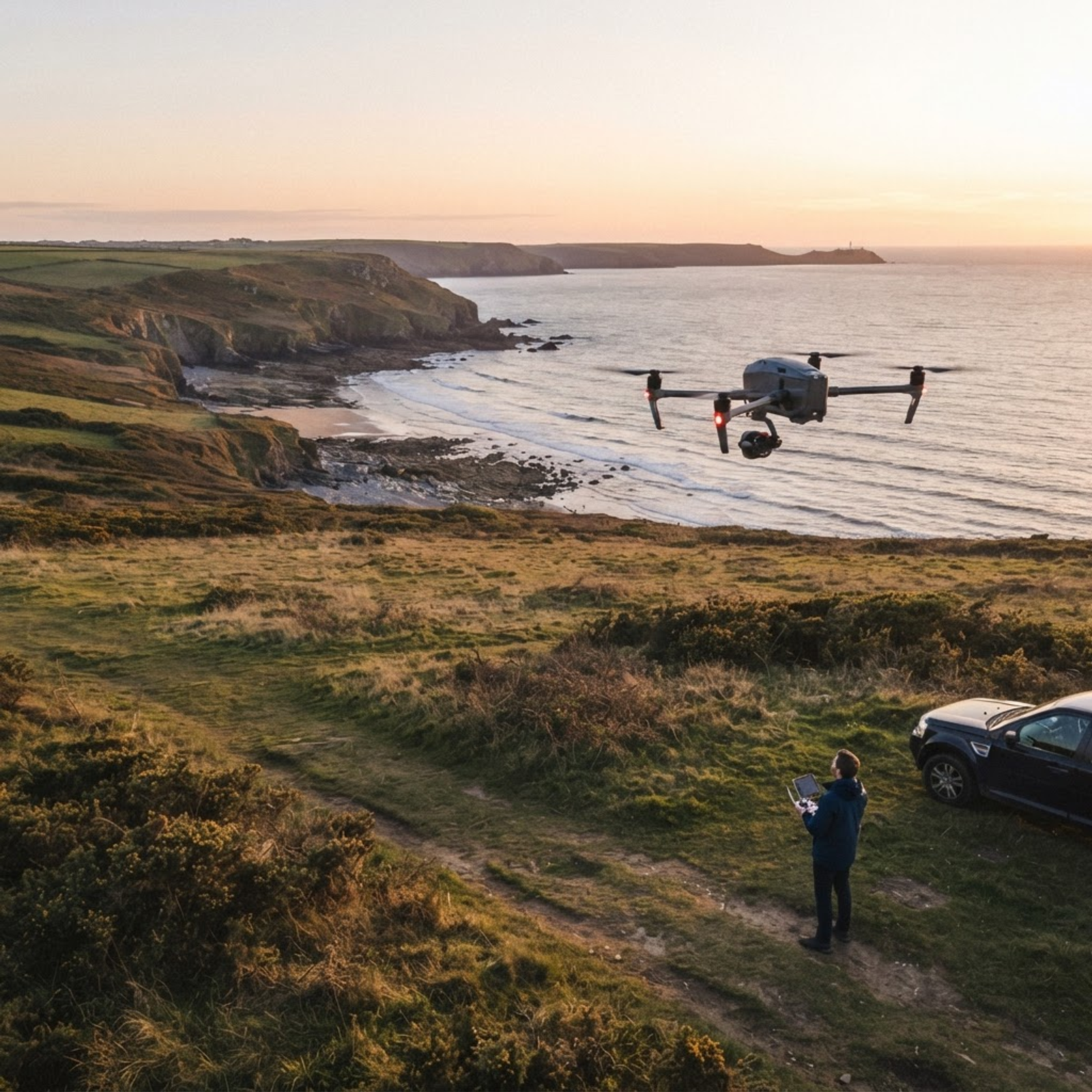
Marketing teams collaborate closely with Airframe to select aerial formats that align with their specific campaign objectives. Our consultative approach ensures that each project is mapped from the initial brief to final production, providing a clear path for translating visual goals into professional marketing assets. Further guidance on the preparation process can be found in our Insights blog articles on Planning and Briefing. Whether a project requires high-altitude photography or dynamic first-person view sequences, the team works with clients to define the right approach for their target audience.
Airframe assists clients during the briefing stage to ensure that chosen platforms and settings meet project requirements. Defining these needs early ensures technical execution serves the creative vision, resulting in assets ready for deployment across web, print, or advertising platforms.
Strategic Application of Aerial Media
The strategic application of aerial media at Airframe is rooted in a bespoke consultation process. We work directly with your team to dissect the unique requirements of your project, ensuring that the visual strategy is custom-built rather than based on standardised templates. By assessing the site context, architectural goals, and the intended audience, we define a scope of work that is tailored to your specific campaign. This approach ensures every flight is mission-specific, focusing on angles and perspectives that directly amplify your brand narrative and project objectives.
Aligning Filming Formats with Project Objectives
Airframe consults with clients to select the specific filming style that aligns with their communication goals. For projects requiring a comprehensive view of a site, such as property developments or land assets, 360 flyovers are often selected to establish context and scale. For promotional content where immersion is a priority, first-person view filming provides dynamic sequences that guide the viewer through a space.
Visit our Aerial Photography page to see examples of our high-resolution imagery and our FPV Filming page for dynamic video sequences. The team also supports traditional commercial needs through high-resolution photography and 4K video production to enhance brand visibility across diverse sectors.
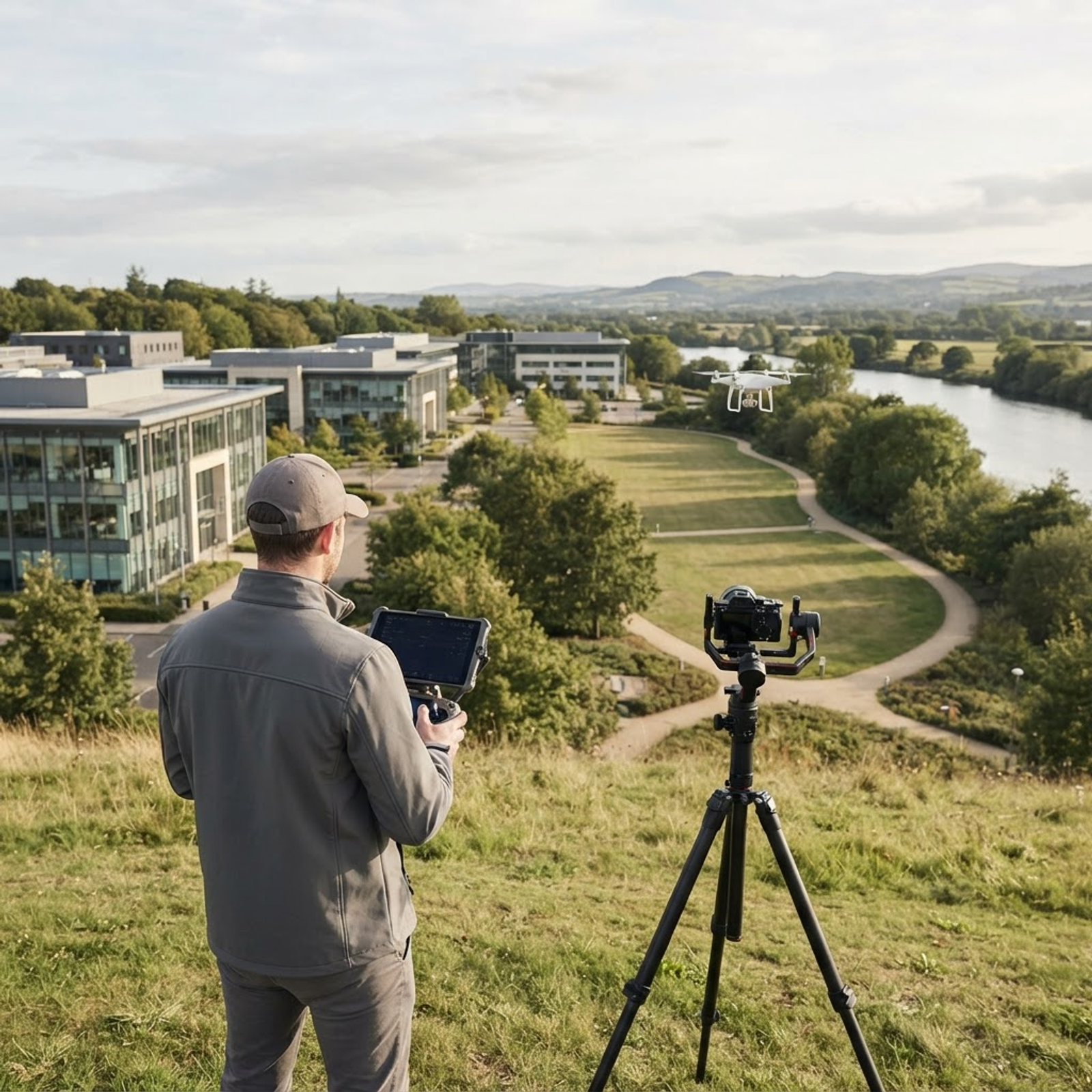
Understanding Resolution and Technical Specifications
Technical requirements are established during the briefing process to ensure the final output is fit for its intended medium. Airframe selects equipment based on the client's needs, utilising professional systems including the Matrice 4E and 4T for surveying and inspection, and the Mavic 3 Pro, Air 3S and DJI Avata 2 for photography and videography. This consultative range allows the team to match project goals with the most suitable system.
Selecting the correct resolution is critical for the long-term utility of your assets. High-resolution stills, often captured at 48MP, provide the clarity required for large-format print advertising and detailed digital displays, allowing for cropping without loss of fidelity.
In contrast, videography requires a balance between resolution and frame rate. 4K capture is the industry standard for high-end marketing, but the choice of codec is equally important. Utilising H.265 or ProRes allows for greater dynamic range and colour depth during post-production. This technical precision ensures your media is not only visually striking but also compatible with high-end broadcast requirements or web-based compression standards.
The management of this data represents a significant part of our workflow. By maintaining a structured approach to raw capture, we ensure that the integrity of the original file is preserved until it is processed. This enables us to provide colour-accurate imagery that remains consistent with brand guidelines, whether the content is intended for a social media scroll or a major out-of-home advertising campaign.
- Airframe delivers stills up to 48MP on applicable platforms for high resolution projects.
- 4K video production is available with options for H.264, H.265, or ProRes codecs to suit broadcast or digital standards.
- Clients can request raw capture data for photography.
- Deliverables are tailored for compatibility with end-user platforms such as social media, websites, or print advertising.
The Role of Post-Production in Content Delivery
Professional aerial content moves into post-production once the capture phase is complete. Airframe provides creative post-production services including colour grading and edited sequences. Clients may choose between finished, platform-ready productions or receiving raw footage for their own internal editing teams.
The post-production phase transforms raw data into a cohesive marketing tool. Colour grading is the process of adjusting the hue and contrast of the footage to ensure it matches the brand aesthetic or the broader visual style of a campaign. This step is essential when integrating aerial shots with ground-based footage, as it provides a visual consistency that prevents disjointed transitions. Furthermore, our editing workflow includes motion graphics and titling to highlight specific project features, such as building perimeters or land boundaries, adding functional value to the creative output.
Different output resolutions and file formats serve different media platforms. For instance, content destined for mobile social media requires specific aspect ratios and compression rates to maintain speed and quality upon playback. Conversely, material intended for television broadcast or cinema requires higher bitrates and specific frame rates. By managing these technical requirements during the post-production stage, we ensure that the client receives files that are ready for immediate deployment without further internal processing.
Integrating Aerial Assets into Marketing Workflows
Integrating aerial assets into wider marketing workflows ensures consistency across digital and print channels. Airframe delivers content optimised for specific platform requirements, ensuring files are correctly sized and compressed for use on channels such as Instagram, LinkedIn, and corporate websites. This approach reduces the need for additional reformatting by the client, allowing for the immediate deployment of media once delivered.
Operational Planning and Safety
Every aerial media project involves operational complexity handled by the team. Airframe is a CAA Registered Drone Operator.
TALK TO AIRFRAME
Discuss your project with Airframe.
RELATED INSIGHTS
Keep reading
OUR SERVICES · AERIAL MEDIA
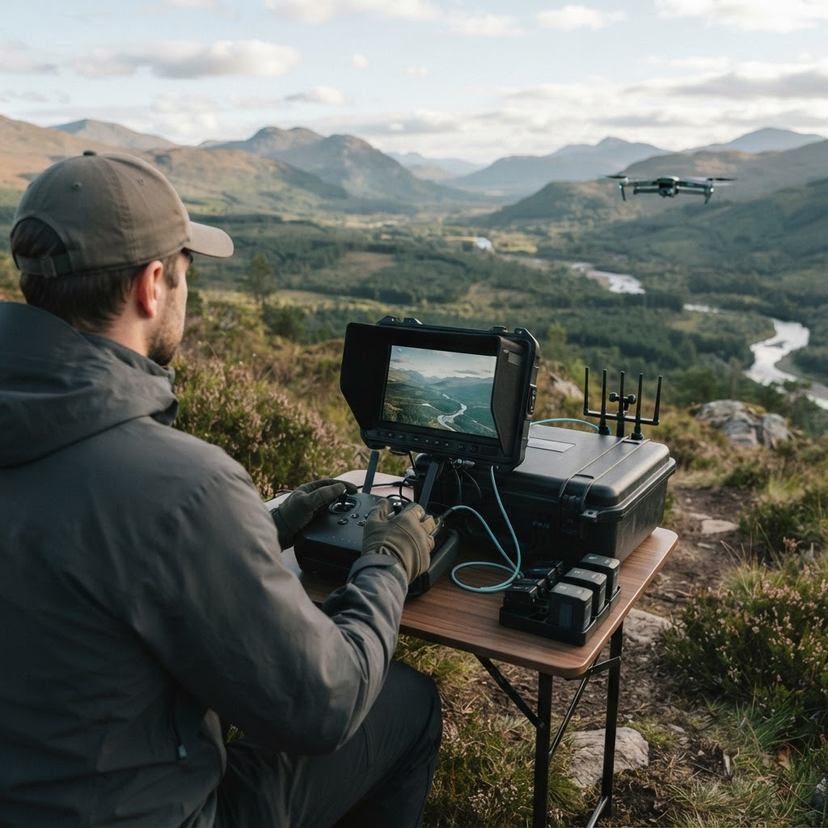
Raw Versus Edited Aerial Media: Defining Your Deliverables
Selecting the right aerial media deliverables is essential for successful projects. This guide clarifies the differences between finished professional edits and raw sensor data to help you match your project requirements with the correct output format.
26 Oct 2026 · 6 min readRead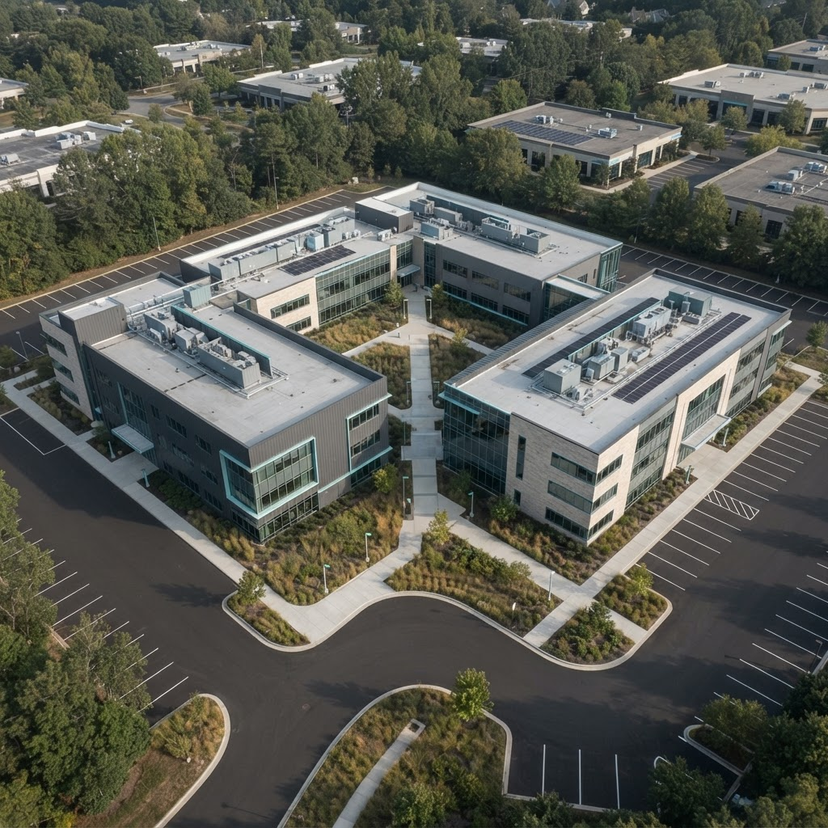
OUR SERVICES · AERIAL MEDIA
Defining Requirements for Commercial Aerial Filming
A well-structured brief is the foundation of successful aerial media production. Defining your objectives, site requirements, and technical deliverables ensures that your project receives the right operational planning and execution.
26 Oct 2026 · 6 min readRead
OUR SERVICES · AERIAL MEDIA
Planning Commercial Drone Photography and Video: From Brief to Deliverables
Planning professional drone photography and video requires careful alignment of project goals with operational requirements. Learn how to manage the process from initial brief to final delivery.
25 Oct 2026 · 6 min readRead